Homes That WorkHow Modern Buyers Are Blending Living Space With Income Space

Updated: Sep 5

We’re living in a new era of homeownership. People aren’t just buying homes to live in—they’re buying homes to work in, host in, serve from, and earn from. The traditional “single‑use home” model doesn’t match how people actually live anymore. And yet most buyers are still shopping for homes built for a lifestyle that does not support work from home. Today’s zoning laws, land options, and lifestyle shifts make it easier than ever to blend residential living with income‑producing space. But you only get that flexibility when you build, convert, or design intentionally.
Let’s break down what’s possible.
Working From Home Requires More Than a Spare Bedroom
Remote work isn’t a trend—it’s a permanent shift. And people are discovering quickly that a laptop on the dining table doesn’t cut it.
What buyers are looking for now:

Examples:
Dedicated office suites
Sound‑proofed rooms
Separate entrances for client‑facing work
Detached studios or ADUs spaces/prep
Gym, Spa, Yoga space for PT or self-revitalization
Recreational space for hobbies such as crafting, mechanic shop, that also provide other revenues of income!
A place to host both friends or workshops from home.
Multi‑desk setups for dual‑remote households
Trying to retrofit this into an existing home is expensive and limiting. Building or converting gives you the space and layout you actually need.
Bed‑and‑Breakfast Style Homes Need Commercial‑Grade Features
Short‑term rentals and hosted stays are booming, but the homes that succeed aren’t the ones with “cute décor.” They’re the ones built with commercial‑level functionality and spa/gym amenities.
What B&B‑style homes need:
Commercial‑standard kitchen layouts
Fire‑safety compliance
Guest‑ready bathrooms
Durable materials
Separate guest wings or suites

Farmland Opens the Door to Mixed‑Use Living
People underestimate farmland zoning. It’s one of the most flexible zoning categories available—if you know how to use it.
What farmland zoning can allow (by county):
Grocery or produce stands
Farm‑stay lodging
Event hosting
Hosting Workshops or classes
Agricultural retail
Outdoor recreation spaces
Ag-tourism like christmas trees, pumpkin patch, corn maze, vineyards, wine-tasting, domesticated animal farms petting zoos & cattle-ranching
Farmland lets you live on the property and operate income‑producing activities without fighting residential zoning restrictions.
Critical Areas Can Unlock Storage Income
Critical areas—which can near wetlands, water buffers, or protected zones—often scare buyers away. But here’s the truth:
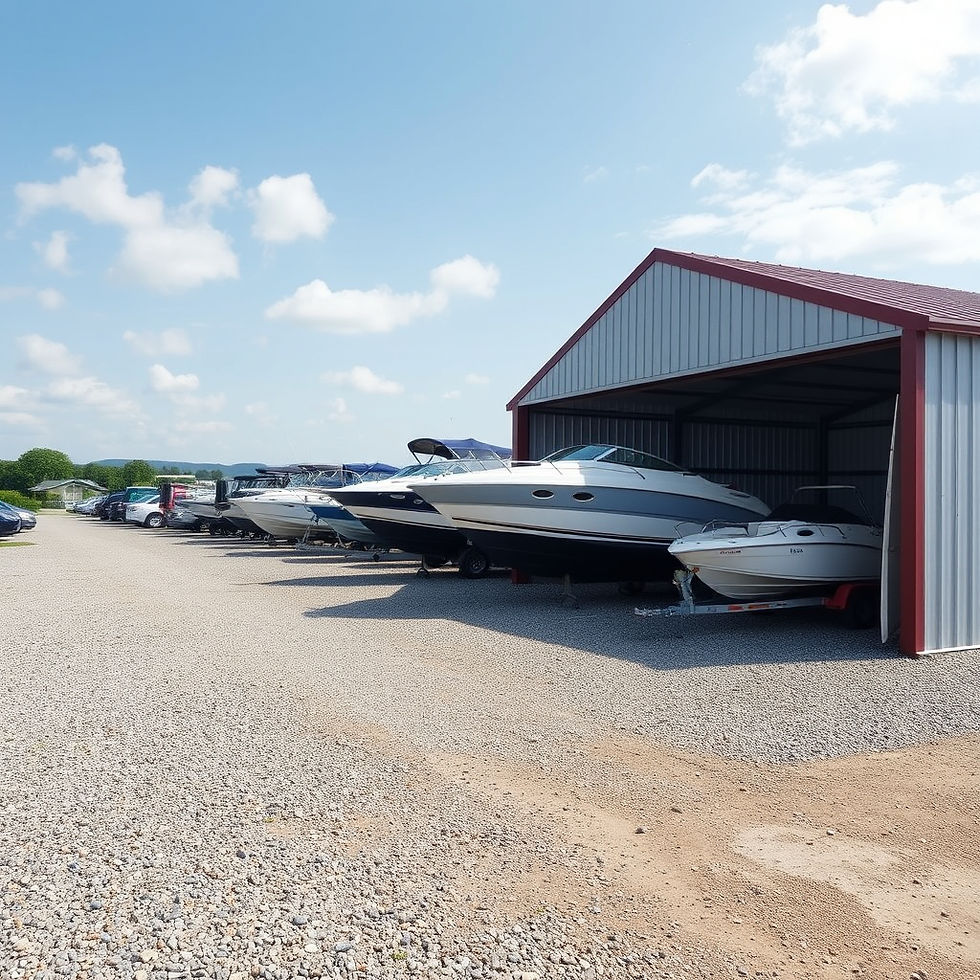
You can’t build a home there, but you can build value.
What critical areas often allow:
Boat storage
RV storage
Seasonal equipment storage
Agricultural storage structures
Storage is one of the highest‑demand, lowest‑maintenance income streams. And critical‑area land is often cheaper because people don’t understand its potential.
You Can Build a Home That Lives AND Works
This is the future of homeownership: A residence that doubles as a workspace, a revenue stream, or a hospitality hub.
Here are the most common mixed‑use combinations people are building today:
Home + office suite
Home + B&B guest wing
Home + farm‑stay cabins or camping grounds
Home + event venue
Home + RV/boat storage
Home + produce stand
Home + workshop or studio
When you build, you’re not limited by someone else’s layout or zoning mistakes. You design the home around the life you want—and the income you want.
The Market Has Shifted. Your Home Should Too.

People aren’t just looking for a place to sleep. They’re looking for a place to work, host, earn, and grow. Podcasting is another examples of how people can work, host, earn and grow, right from home. Existing homes weren’t built for that. But new construction, conversions, and strategic land use are.Your home should be an asset that supports your lifestyle and your income—not a box you’re forced to fit into. If you want a home that works for you, not against you, building and mixed‑use design is the path forward.


Comments